The Teacher Who Refused the Silence
In a Village Forgotten by Maps, a Teacher Helped Children Find Their Voice
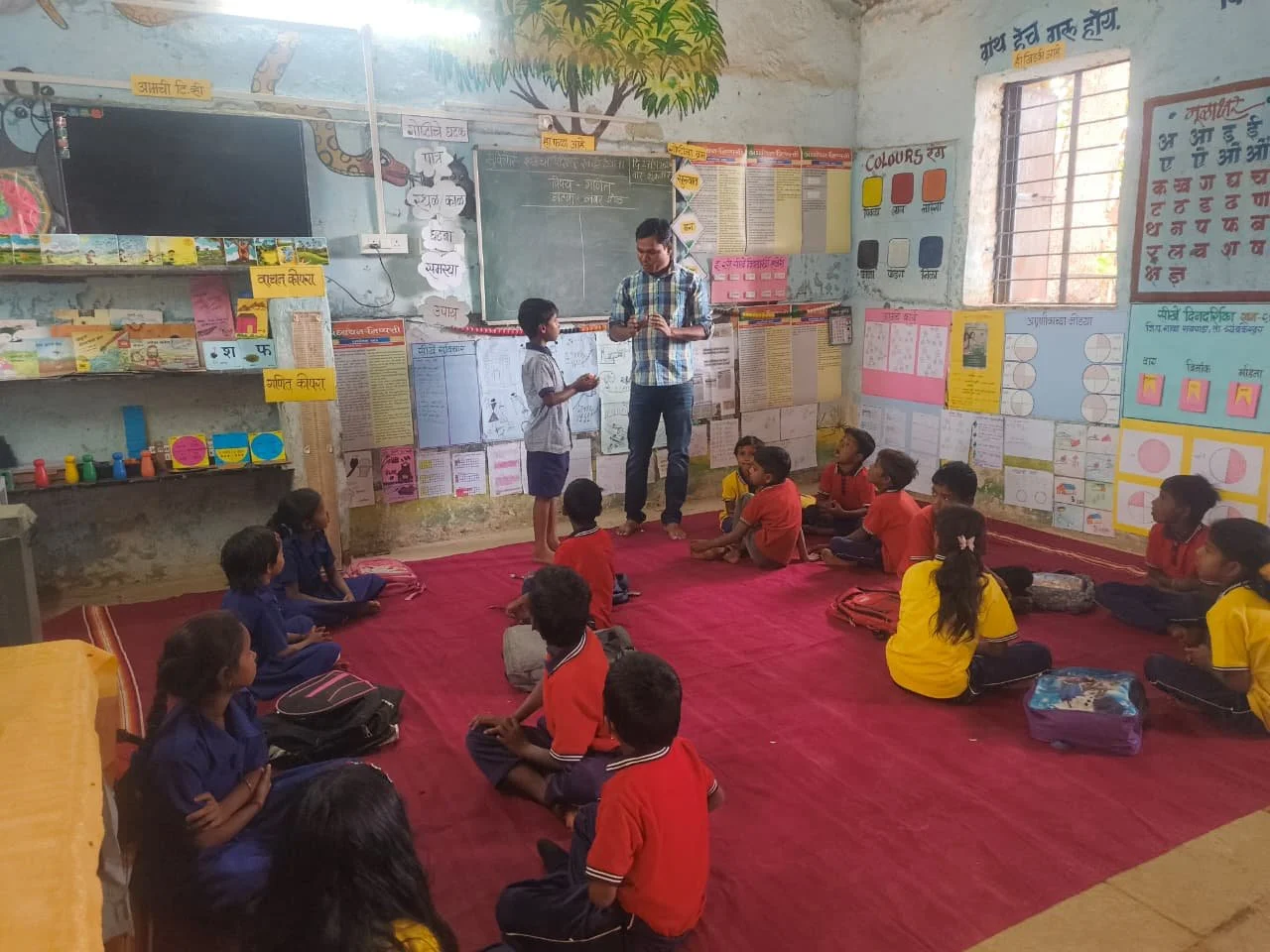
There is a village called Raipada that most maps don't bother to name. Nestled close to the Brahmagiri Mountain in the Trimbakeshwar District, roughly 38 kilometres from Nashik, it is the kind of place where time moves to the rhythm of the monsoons. When the rains come, water seeps through the roof of the Zilha Parishad Primary School, patches the walls, and peels away whatever learning material they hold. The single room floods. And yet, every morning, children come.
Twenty-six of them. Five grades. One teacher.
That teacher is Vilas Keshav Mahale — and this is his story.
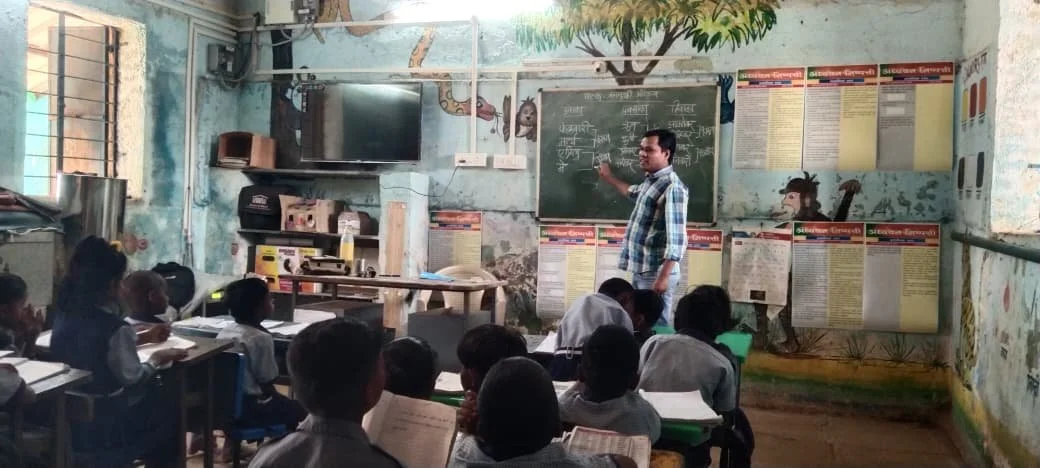
Eight years ago, when Teacher Vilas was transferred to the school, where children from remote tribal belts, who spoke languages that were Khandeshi, Ahirani, and Bhil, more than Marathi or Hindi, sat silently in his classroom. They often hesitated in expressing themselves. Coming from families struggling with extreme poverty, these children arrived at school with little more than their textbooks and a deep-seated lack of confidence.
Breaking the Silence
Five years ago, when CEQUE began working in Trimbakeshwar, our team met with Teacher Vilas. He had over a decade of experience. He knew his subjects. But a wall had risen between him and his students, and he could not find the door. What our team found was not a teacher who had given up but one who was still looking, still searching for the door. That shared determination became the foundation of a partnership.
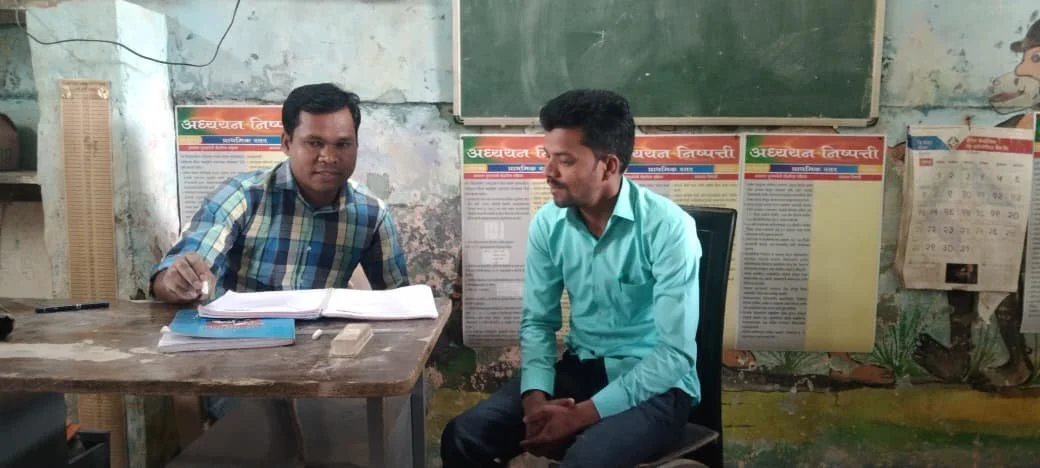
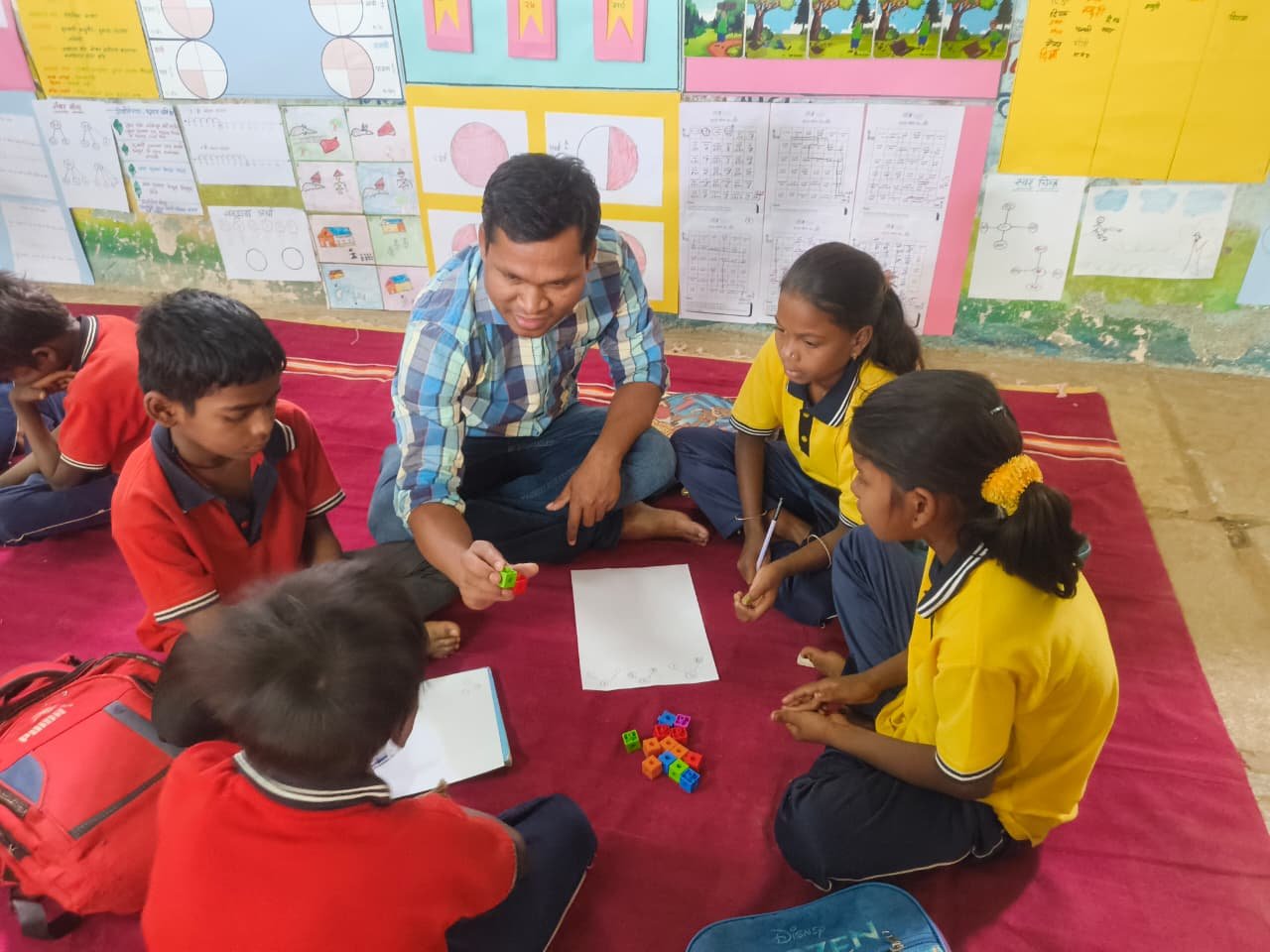
When our team began working with Teacher Vilas, the goal was clear: transform the classroom from a place of passive listening into a hub of active empowerment. He began attending our training workshops to learn new, innovative teaching methods. While our coaches began paying him regular visits to offer support and guidance, he was the one who stood before those twenty-six children every day. He was the one who had to earn their trust, word by word, question by question. Together, they designed a new kind of classroom:
From chorus to conversation. Vilas moved away from the habit of group recitation — where any child could hide inside the collective voice — and began calling on students individually. It was uncomfortable at first. Then it became a source of pride.
Learning from each other. He introduced group work, letting children teach one another. For students who had been conditioned to be invisible, being seen by a peer turned out to be less frightening than being seen by a teacher.
Front of the room as a stage. Slowly, students began presenting their ideas to the class. The classroom stopped being a place where knowledge was delivered and became a place where it was performed, debated, and owned.
CEQUE's workbooks gave these efforts a foundation at home. For children who could not afford supplementary materials, the books built something more valuable than content, a habit of independent study that extended learning well beyond the school day.
The Room That Changed
Today, at the Zilha Parishad Primary School, Raipada, the roof still leaks. The walls still carry their watermarks. But the room is no longer silent.
Those children, once hesitant to speak, reluctant to be seen, are now the ones raising their hands, standing at the front, explaining their thinking to anyone who will listen. The change did not happen because of a new building or a bigger budget. It happened because one teacher refused to accept the silence and found, in partnership with CEQUE, the tools to break it.
Raipada may not appear on most maps. But in that single, flooded, imperfect room, something remarkable is being built, one confident child at a time.